
Commercial Removals for Offices and Warehouses: Professional Business Relocation Services
Relocating a business is a major operational undertaking that requires detailed planning, professional coordination, and efficient execution. Whether a company is moving a small office, a corporate headquarters, a distribution centre, or a large warehouse facility, the relocation process must be carefully managed to minimise disruption and maintain productivity.
Commercial removals for offices and warehouses involve much more than transporting furniture and equipment from one location to another. Businesses rely on technology, inventory, machinery, documents, and specialised assets that support daily operations. Any delay, damage, or mismanagement during relocation can affect productivity, customer service, and profitability.
At Going Places Removals, we understand the complexity of commercial relocations. Our experienced team provides structured moving solutions designed to protect business assets, reduce downtime, and ensure a smooth transition from one location to another.
This comprehensive guide explains everything businesses need to know about commercial removals for offices and warehouses, including planning strategies, relocation processes, common challenges, industry best practices, and the benefits of hiring professional commercial movers.

Understanding Commercial Removals for Offices and Warehouses
Commercial Relocations Require Specialist Expertise
Commercial removals for offices and warehouses differ significantly from residential moves. Businesses often need to relocate office furniture, confidential documents, IT systems, warehouse stock, machinery, shelving units, and specialist equipment. Each asset requires careful handling and transportation. Professional movers understand these challenges and implement structured systems that ensure assets arrive safely while maintaining operational continuity throughout the relocation process.
Every Business Has Unique Relocation Requirements
No two commercial moves are identical. A small office relocation may involve workstations and filing cabinets, while a warehouse move could include thousands of inventory items, pallet racking systems, and industrial equipment. Professional removal companies develop tailored strategies that address the specific operational needs, timelines, and priorities of each business.
Why Businesses Need Professional Commercial Removal Services
Minimising Operational Disruption
One of the biggest concerns during relocation is maintaining business continuity. Every hour of downtime can affect productivity, customer service, and revenue generation. Professional commercial movers create detailed relocation plans that reduce interruptions and help businesses resume normal operations as quickly as possible.
A carefully coordinated move allows employees to remain productive while relocation specialists manage logistics.
Protecting Valuable Business Assets
Businesses invest heavily in furniture, technology, inventory, and equipment. Damage during transportation can result in significant replacement costs and operational delays.
Commercial removals for offices and warehouses involve specialist packing materials, protective equipment, and secure transportation methods that help safeguard valuable assets throughout every stage of the move.
The Importance of Strategic Relocation Planning
Planning Forms the Foundation of Success
Successful commercial removals for offices and warehouses always begin with comprehensive planning. Relocation specialists assess operational requirements, identify potential risks, and establish realistic timelines before moving activities begin.
This structured approach reduces uncertainty and improves overall efficiency.
Site Surveys Help Identify Challenges
Professional movers conduct site inspections to evaluate access points, loading areas, building restrictions, parking arrangements, lift availability, and transportation requirements.
These assessments help identify potential challenges early and allow relocation plans to address them proactively.
Step-by-Step Commercial Moving Process
Step 1: Initial Consultation and Assessment
The relocation process begins with a detailed consultation. Commercial movers evaluate inventory volumes, office layouts, warehouse requirements, equipment specifications, and project timelines.
This information helps create a customised relocation strategy tailored to business objectives.
Step 2: Inventory Management and Asset Tracking
A comprehensive inventory helps ensure accountability throughout the move. Professional movers document furniture, equipment, stock, and technology assets before relocation begins.
Accurate records improve organisation and simplify setup at the new location.
Step 3: Packing and Labelling
Commercial movers use specialist packing materials to protect office furniture, computers, machinery, and warehouse inventory. Clear labelling systems help identify contents, departments, and destination areas.
Effective labelling reduces confusion and improves unpacking efficiency.
Step 4: Safe Transportation
Professional vehicles transport assets securely between locations. Drivers follow planned routes and secure loads using industry-approved restraint systems.
Safe transportation protects assets and reduces the risk of delays.
Step 5: Unloading and Installation
Upon arrival, movers unload assets according to pre-agreed floor plans and operational requirements. Furniture, equipment, and inventory are placed in designated areas to support rapid setup and business continuity.
Office Relocation Services
Managing Office Furniture Efficiently
Office furniture often includes desks, chairs, conference tables, filing cabinets, reception furniture, and storage systems. Commercial movers dismantle, transport, and reassemble these assets carefully.
This process helps protect furniture while ensuring efficient use of space at the new location.
Relocating Employees Successfully
Office moves affect employees directly. Clear communication and organised planning help reduce uncertainty and improve staff engagement during the transition.
Professional movers work alongside businesses to coordinate relocation schedules that minimise disruption to daily activities.
Warehouse Relocation Services
Handling Large Volumes of Inventory
Warehouse relocations often involve substantial quantities of stock and materials. Effective inventory management becomes essential for maintaining operational accuracy and continuity.
Commercial removals for offices and warehouses include systematic inventory tracking that supports efficient transportation and organisation.
Moving Industrial Equipment Safely
Warehouses frequently contain specialist machinery, pallet racking systems, forklifts, and industrial equipment.
Professional movers use appropriate handling equipment and transportation methods to ensure these valuable assets remain protected throughout the move.
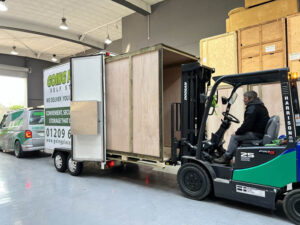
Technology and Equipment Used in Commercial Relocations
Advanced Moving Equipment Improves Safety
Modern commercial removals rely on specialist tools designed to improve safety and efficiency.
Common equipment includes:
- Hydraulic lifting systems
- Furniture dollies
- Protective blankets
- Industrial trolleys
- Heavy-duty restraints
- Loading ramps
These tools help minimise manual handling risks and improve operational efficiency.
GPS Tracking and Logistics Management
Many professional removal companies utilise GPS tracking technology to monitor vehicle movements and improve logistical coordination.
Real-time tracking provides greater visibility and helps businesses stay informed throughout the relocation process.
IT Relocation and Technology Management
Technology Supports Business Operations
Computers, servers, networking equipment, telecommunications systems, and digital infrastructure play a critical role in modern business operations.
Commercial movers understand the importance of protecting technology assets during relocation.
Safe Disconnection and Reconnection
Professional teams coordinate the safe disconnection, transportation, and reconnection of IT equipment.
Careful handling reduces downtime and supports a faster return to full operational capability.
Common Challenges in Commercial Removals
Managing Tight Deadlines
Commercial relocations often operate within strict timelines. Lease agreements, project schedules, and operational requirements can create significant pressure.
Professional movers use detailed planning and project management techniques to meet deadlines effectively.
Coordinating Multiple Stakeholders
Relocations frequently involve management teams, employees, contractors, IT specialists, landlords, and service providers.
Clear communication and structured coordination help ensure everyone remains aligned throughout the process.
Protecting Sensitive Equipment
Many businesses rely on expensive or fragile equipment that requires specialist handling.
Professional movers implement customised protection measures designed to minimise risks and preserve asset integrity.
Industry Best Practices for Commercial Relocations
Conduct Early Risk Assessments
Professional relocation companies evaluate potential risks before moving activities begin. Early assessments allow businesses to address challenges proactively and reduce operational disruption.
Categorise Assets Systematically
Organising assets by department, function, or priority improves inventory management and supports efficient unpacking at the destination.
Maintain Comprehensive Insurance Coverage
Insurance provides additional protection against unexpected events. Businesses should review available coverage options and ensure valuable assets remain adequately protected.
Communicate Consistently
Regular communication with employees, suppliers, and stakeholders helps maintain confidence and ensures everyone understands relocation plans and timelines.
Strategies for Minimising Business Downtime
Schedule Moves During Off-Peak Periods
Many businesses choose weekend, evening, or holiday relocations to reduce operational disruption.
Moving outside normal working hours allows employees to return to fully functioning workspaces more quickly.
Use Phased Relocation Approaches
Larger organisations often benefit from phased relocation strategies that move departments gradually rather than relocating the entire business simultaneously.
This approach helps maintain operational continuity throughout the project.
Prioritise IT Setup
Technology systems should be operational as quickly as possible following relocation.
Professional movers coordinate with IT teams to ensure critical systems become functional without unnecessary delays.
Why Choose Going Places Removals?
Extensive Commercial Relocation Experience
At Going Places Removals, we have extensive experience managing commercial removals for offices and warehouses across a wide range of industries.
Our expertise enables us to deliver efficient and reliable relocation solutions tailored to each client’s operational requirements.
Tailored Relocation Strategies
We understand that every business relocation presents unique challenges. Our team develops customised plans designed to meet specific objectives while minimising disruption.
Secure Asset Handling
We use professional packing materials, specialist equipment, and proven transportation methods to protect valuable business assets throughout every stage of the move.
Customer-Focused Service
Our commitment to communication, reliability, and customer satisfaction ensures businesses receive professional support from initial consultation through final installation.

Conclusion
Commercial removals for offices and warehouses require detailed planning, specialist expertise, and professional execution. Businesses depend on efficient relocations to maintain productivity, protect valuable assets, and minimise operational disruption.
At Going Places Removals, we provide comprehensive business relocation solutions designed to support smooth transitions and successful outcomes. Whether relocating a small office, a large corporate facility, or a warehouse operation, our experienced team delivers dependable services tailored to your business needs.
With the right planning, experienced professionals, and structured relocation processes, businesses can move confidently while maintaining continuity and protecting valuable resources.
Frequently Asked Questions
1. What is included in commercial removals for offices and warehouses?
Commercial removals typically include planning, packing, loading, transportation, unloading, furniture installation, inventory management, and equipment relocation. Many providers also offer IT relocation services, storage solutions, and project management support to ensure a smooth and efficient business move.
2. How long does a commercial relocation take?
The duration depends on factors such as business size, inventory volume, relocation distance, and operational complexity. Small office relocations may take one day, while larger warehouse moves can require several days or weeks of coordinated planning and execution.
3. How can I prepare my business for a move?
Businesses should create an inventory, back up critical data, communicate plans to employees, assign a relocation coordinator, and begin planning several weeks in advance. Early preparation improves organisation and reduces disruption throughout the relocation process.
4. Is insurance necessary for commercial removals?
Yes. Insurance provides financial protection against unexpected incidents such as accidental damage or loss during transportation. Businesses should review available coverage options and ensure valuable assets receive appropriate protection.
5. How do you reduce downtime during relocation?
Professional movers reduce downtime through detailed planning, phased relocation strategies, off-peak scheduling, efficient asset tracking, and rapid technology setup. These measures help businesses resume operations quickly while maintaining productivity and customer service standards.
Find Top-Quality Moving Services with Going Places Removals Near You
 Unit 1, Duchy Business Centre,

