
How Movers Secure Items in Transit: A Complete Guide to Safe and Damage-Free Transportation
Moving valuable belongings from one location to another requires far more than simply loading boxes into a vehicle. Every successful move depends on careful planning, professional packing, strategic loading, and secure transportation techniques. Understanding how movers secure items in transit helps homeowners and businesses appreciate the expertise involved in protecting belongings throughout the relocation process.
Whether you are moving locally or across the country, your possessions face several risks during transportation. Sharp turns, sudden braking, uneven roads, vibrations, and improper loading can all lead to damage if items are not secured correctly. Professional movers use proven industry methods to minimise these risks and ensure belongings arrive safely at their destination.
At Going Places Removals, we understand that customers trust us with items that often hold significant financial and sentimental value. From furniture and electronics to fragile heirlooms and office equipment, every item deserves professional care. This guide explains how movers secure items in transit, why professional techniques matter, and how these methods help deliver a safe and stress-free moving experience.

Why Understanding How Movers Secure Items in Transit Matters
Safe Transportation Protects Valuable Belongings
Every move involves belongings that represent years of investment, memories, and personal importance. Furniture, electronics, antiques, artwork, and family possessions require protection throughout the journey. Understanding how movers secure items in transit helps customers appreciate the detailed processes that prevent scratches, breakages, dents, and other forms of damage. Proper transportation methods preserve both the condition and value of possessions while reducing unnecessary stress during relocation.
Professional Moving Techniques Reduce Risk
Transporting items safely requires more than physical strength. Professional movers use specialised equipment, structured loading systems, and proven safety procedures to minimise movement during transit. These techniques reduce the likelihood of accidents and damage while ensuring every item remains stable from collection to delivery. Experience and training play a significant role in achieving successful outcomes.
The Foundations of Secure Transportation
Assessment Comes Before Action
The process of how movers secure items in transit begins long before moving day. Professional movers assess every item individually to determine its size, weight, shape, fragility, and handling requirements.
This assessment allows movers to choose suitable packing materials, transportation methods, and loading positions. Proper planning ensures that each item receives the level of protection necessary for safe transport.
Risk Categorisation Improves Protection
Not all belongings face the same risks during a move. Fragile items such as glassware, electronics, artwork, and mirrors require additional cushioning and specialised packing methods.
Heavy furniture and large appliances require different handling techniques. By categorising items according to risk, movers create tailored protection strategies that maximise safety throughout transportation.
Professional Packing Standards Used by Movers
High-Quality Packing Materials Provide Essential Protection
One of the most important aspects of how movers secure items in transit involves selecting appropriate packing materials. Professional movers use materials designed specifically for transportation and storage.
Common protective materials include:
- Double-walled cardboard boxes
- Bubble wrap
- Packing paper
- Foam inserts
- Stretch wrap
- Furniture blankets
- Corner protectors
- Protective covers
These materials absorb impacts, reduce vibration, and help prevent damage during transportation.
Individual Wrapping Minimises Risk
Professional movers do not rely on a one-size-fits-all approach. They wrap and protect items individually based on their characteristics.
Fragile items receive additional layers of cushioning, while furniture often receives protective blankets and stretch wrapping. This individual attention significantly improves protection during transit.
The Importance of Proper Labelling
Clear Identification Supports Safe Handling
Labelling plays a critical role in how movers secure items in transit. Professional movers label boxes according to contents, destination rooms, and handling requirements.
Labels such as:
- Fragile
- This Side Up
- Handle With Care
- Heavy Item
help ensure appropriate treatment throughout every stage of the move.
Improved Organisation Reduces Errors
Well-labelled boxes make loading, unloading, and unpacking more efficient. Movers can place items correctly within the vehicle and deliver them to the appropriate location upon arrival.
This organisation reduces unnecessary handling and helps minimise damage risks.
Strategic Loading Techniques
Weight Distribution Creates Stability
One of the most important elements of how movers secure items in transit involves strategic loading. Professional movers distribute weight evenly throughout the vehicle to maintain stability during travel.
Heavy items such as appliances and furniture are placed near the floor and positioned carefully to create a solid foundation for lighter belongings.
Proper weight distribution helps prevent shifting, tipping, and load imbalance.
Building a Secure Load Structure
Professional movers load items according to size, shape, and durability. Larger items often create protective barriers for smaller belongings.
Boxes are stacked carefully, and fragile items remain isolated from heavier goods. This structured loading method creates a stable environment that reduces movement during transportation.
How Movers Secure Furniture During Transit
Furniture Requires Special Protection
Furniture often represents some of the largest and most valuable items in a move. Sofas, dining tables, wardrobes, desks, and cabinets require careful preparation before transportation.
Professional movers wrap furniture using protective blankets, stretch film, and padding to protect surfaces from scratches, dents, and impact damage.
Disassembly Improves Safety
Large furniture pieces often become safer to transport when partially dismantled. Removing table legs, shelving components, and bed frames reduces overall size and improves stability.
Disassembly also allows movers to navigate narrow hallways, staircases, and doorways more safely.
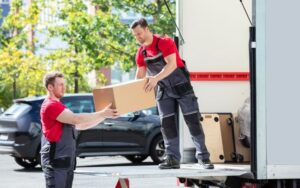
Securing Items Inside the Vehicle
Ratchet Straps and Tie-Down Systems
Professional movers use commercial-grade restraint systems to secure loads inside moving vehicles. Ratchet straps and tie-down mechanisms prevent items from shifting during transport.
These systems anchor furniture, appliances, and larger belongings firmly in place while allowing flexibility for different load configurations.
Eliminating Empty Space
Empty spaces within a moving vehicle increase the likelihood of shifting during transit. Professional movers minimise gaps by positioning items strategically and using padding materials where necessary.
This approach creates a tightly packed environment that enhances overall stability.
Protective Padding Reduces Vibration
Road vibrations can gradually affect delicate items during transportation. Movers use padding, blankets, and cushioning materials between belongings to absorb movement and reduce vibration-related risks.
This protection becomes especially important during long-distance relocations.
Driver Responsibilities During Transportation
Safe Driving Supports Item Security
How movers secure items in transit extends beyond packing and loading. Professional drivers play a critical role in protecting belongings throughout the journey.
Experienced drivers maintain controlled speeds, avoid sudden braking, and navigate corners carefully. These driving habits reduce movement within the vehicle and help preserve load stability.
Route Planning Improves Safety
Professional moving companies often plan routes carefully before departure. They avoid rough roads, severe traffic congestion, and areas with challenging access whenever possible.
Thoughtful route selection helps reduce transportation risks and improves overall efficiency.
Long-Distance Moving Considerations
Extended Travel Requires Additional Precautions
Long-distance moves expose belongings to prolonged vibrations, changing weather conditions, and extended transportation periods.
Professional movers apply additional securing techniques for these journeys, including enhanced strapping systems and extra protective materials.
Regular Load Inspections
For longer journeys, professional movers may conduct periodic inspections to ensure items remain secure.
These checks allow adjustments if necessary and help maintain stability throughout the transportation process.
Step-by-Step Process: How Movers Secure Items in Transit
Assessment Phase
Movers evaluate belongings and identify special handling requirements.
Packing Phase
Items receive protection using suitable materials and professional techniques.
Labelling Phase
Boxes and furniture are clearly marked for identification and handling.
Loading Phase
Movers position belongings strategically within the vehicle.
Securing Phase
Ratchet straps, tie-down systems, and padding stabilise the load.
Transportation Phase
Drivers follow safe driving practices and planned routes.
Inspection Phase
Additional checks verify load security during longer journeys.
Unloading Phase
Movers remove items carefully and inspect for any concerns.
Practical Tips for Safer Moving
Invest in Quality Packing Materials
Strong boxes, protective wrapping, and durable tape provide better protection than inexpensive alternatives. High-quality materials improve the effectiveness of every stage of the moving process.
Avoid Overloading Boxes
Overfilled boxes become difficult to handle and increase the risk of breakage. Keep weights manageable and distribute contents evenly.
Disassemble Large Furniture
Removing detachable components improves transportation safety and reduces the likelihood of damage.
Clearly Label Fragile Items
Proper labels help movers identify sensitive belongings and apply appropriate handling procedures.
Hire Experienced Professionals
Experienced movers understand how movers secure items in transit using proven industry methods that significantly reduce transportation risks.
Why Choose Going Places Removals?
Experienced Moving Professionals
At Going Places Removals, we combine practical experience with industry best practices to deliver safe and efficient moving services.
Our trained team understands the importance of protecting every item throughout the relocation process.
Professional Equipment and Materials
We use high-quality packing materials, secure transportation systems, and specialist equipment designed to safeguard belongings during every stage of the move.
Customer-Focused Service
Our goal is to provide a smooth, stress-free experience for every customer. We prioritise communication, reliability, and careful handling from collection to delivery.

Conclusion
Understanding how movers secure items in transit highlights the expertise and planning required for a successful move. Professional movers follow a structured process that includes assessment, packing, labelling, loading, securing, transportation, and unloading. Every step contributes to protecting belongings and reducing transportation risks.
At Going Places Removals, we use proven industry techniques, professional equipment, and experienced staff to ensure safe transportation for every customer. Whether you are moving a single room, an entire household, or commercial assets, secure transportation practices help deliver peace of mind and protect your valuable belongings throughout the journey.
Frequently Asked Questions
1. How do movers protect fragile items during transport?
Professional movers use bubble wrap, foam padding, reinforced boxes, and protective cushioning materials. They wrap fragile items individually, label them clearly, and position them carefully within the vehicle away from heavy objects. These precautions significantly reduce the risk of breakage and damage.
2. What materials do movers use for securing items?
Movers use packing paper, bubble wrap, furniture blankets, stretch wrap, foam protectors, reinforced boxes, ratchet straps, and tie-down systems. These materials help absorb impacts, reduce vibration, prevent movement, and protect belongings throughout transportation.
3. Why is professional packing important for moving?
Professional packing ensures belongings receive appropriate protection based on size, weight, and fragility. Movers use proven methods and quality materials that reduce damage risks while improving transportation efficiency and organisation during the move.
4. Can items move inside the truck during transit?
Items can shift if movers fail to secure them correctly. Professional movers prevent movement through strategic loading, proper weight distribution, ratchet straps, tie-down systems, and protective padding. These measures create a stable environment inside the vehicle.
5. How do movers ensure long-distance transport safety?
Movers secure items using enhanced restraint systems, protective materials, and careful loading methods. Professional drivers follow safe driving practices, plan efficient routes, and conduct load inspections when necessary. These precautions help maintain stability and protect belongings throughout long-distance journeys.
Find Top-Quality Moving Services with Going Places Removals Near You
 Unit 1, Duchy Business Centre,

